1. New 2. GDP 3. About Me 4. NAR - NAHB 5. Resale 6. Case Shiller 7. Field Visits 8. Home Medians 9. Foreclosures 10. The Fed Knows 11. Builder Sales 12. FHFA Tracker 13. Census Bureau 14. Population And Housing 15. Construction Boom |
Case Shiller Indices West South Midwest Northeast |
Home Median Trackers Minneapolis Washington DC Las Vegas Boise Sacto Atlanta Phoenix California - DQ CAR New Jersey North Carolina Colorado Massachusetts Ohio Texas Utah Florida Hawaii Michigan Illinois Maryland Virginia Wisconsin Washington NAR Tracker |
Construction Boom Texas Florida Arizona Atlanta Raleigh San Diego Los Angeles San Francisco Denver Las Vegas Washington DC New York City Chicago Minneapolis Other Markets The Community Matrix |
Field Visits Houston, TX Las Vegas, NV Billings, MT Portland, OR Chino, CA Sacramento, CA San Ramon, CA Brentwood, CA San Francisco, CA |
The Fed Knows Housing Valuation Home Mortgages REI As % of GDP Housing vs GDP US Public Debt Equity vs Mortgage All In One Graph... |
Home Energy Efficiency Improvements That Complement Solar Power
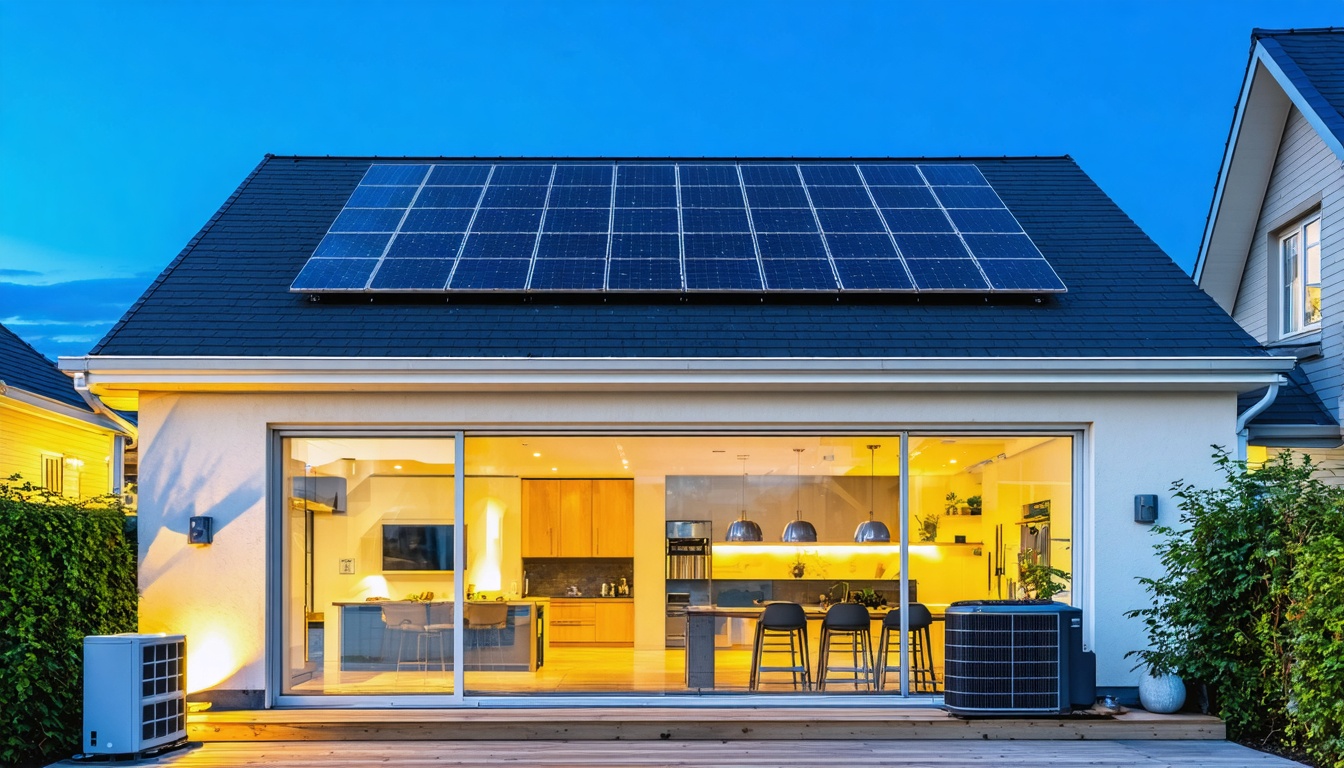
When considering the installation of solar power in a home, it is important to evaluate energy efficiency improvements that can enhance the overall effectiveness of the system. Implementing measures such as improving insulation, upgrading windows, and optimizing appliance efficiency can increase the household's energy savings and reduce reliance on solar power generation. These improvements not only lower utility bills but also contribute to a more comfortable living environment and a reduced environmental impact. Furthermore, when energy efficiency upgrades are combined with solar energy, the return on the initial investment can be maximized. To prepare a home for the integration of solar power and energy efficiency measures, homeowners should conduct an energy audit to identify areas for improvement. This may include sealing air leaks, enhancing insulation levels, replacing single-pane windows with double or triple-pane alternatives, and selecting high-efficiency appliances. By addressing these factors, homeowners position themselves to realize the full benefits of solar energy while making a positive contribution to energy conservation efforts.
Air Sealing and Insulation Enhancements
Improving air sealing and insulation in residential properties can result in a reduction in energy costs by about 10%. These measures play a key role in minimizing heat loss, while also enhancing indoor air quality by reducing drafts and limiting the entry of outdoor pollutants.
Consequently, homeowners may benefit from reduced expenses related to heating and cooling systems, contributing to overall energy efficiency.
In the United States, such enhancements are relevant to a wide variety of residential properties and may provide additional benefits when combined with solar energy initiatives. Homeowners in New Hampshire, in particular, may qualify for tax credits through the Internal Revenue Service and benefit from state-specific programs like Comfort Home, which are designed to encourage energy-efficient improvements. For more details on Home Solar Solutions in New Hampshire, visit Home Solar Solutions in New Hampshire.
For detailed information regarding potential cost savings, resources including a Savings Calculator and FAQs are provided, along with a Privacy Policy that explains data use and protection measures.
These resources allow homeowners to assess the financial implications of implementing air sealing and insulation improvements in their properties.
Upgrading Windows and Doors for Performance
Upgrading windows and doors is an important consideration for improving energy efficiency in residential properties. Existing windows and doors, particularly older models, can be significant sources of energy loss.
Energy-efficient replacements can potentially enhance a home’s market value, decrease energy costs, and improve indoor comfort. Modern options often include features such as insulated frames and Low-E (low emissivity) glass, which are certified by the National Fenestration Rating Council (NFRC) to ensure energy performance compliance.
Homeowners who are not ready to invest in full replacements may consider alternative methods such as installing storm windows or applying caulking. These approaches are typically lower-cost and can provide immediate improvements in insulation and air sealing, leading to short-term savings and increased efficiency.
Additionally, certain renovation projects focused on energy efficiency may qualify for federal tax credits, as administered by the Internal Revenue Service (IRS) in the United States. These incentives can help alleviate some of the financial costs associated with energy-efficient upgrades.
Improving windows and doors not only enhances energy efficiency but also supports the reduction of fossil fuel dependence, contributing to overall environmental sustainability. Furthermore, it can lead to additional savings through potential solar improvements.
Overall, upgrading windows and doors is a practical measure for enhancing the energy performance of homes, supported by various technologies and financial incentives.
Improving Water Heating Efficiency
Water heating accounts for a notable portion of residential energy use, making efficient systems important for both cost reduction and the effective utilization of solar energy. The adoption of heat pump water heaters is one method for homeowners in New York to achieve economic savings, as these systems tend to have lower operating costs than conventional water heaters.
Pairing these upgrades with applicable Residential Clean Energy projects may enhance their overall economic viability.
Homeowners can also benefit from federal tax credits and New York State Clean Heat rebates, which may alleviate some of the initial costs associated with the transition to more efficient systems.
Furthermore, other measures, such as updating appliances, installing low-flow plumbing fixtures, and sealing air leaks, contribute to the overall energy efficiency of a home. Such improvements not only provide potential cost savings but can also positively impact a home's market value and support environmental sustainability.
For comprehensive details regarding available tax credits and rebates, please consult the “Frequently Asked Questions” section.
Increasing Kitchen Energy Savings
Improving energy efficiency in the kitchen can effectively reduce energy consumption and enhance the benefits of solar power systems. One recommended upgrade is the adoption of induction cooktops, which typically exhibit greater energy efficiency compared to traditional gas or electric stoves by heating cookware directly.
Additionally, replacing older appliances with Energy Star-rated models can result in significant enhancements in energy performance, leading to reductions in both electricity bills and carbon emissions.
Another option to examine is the installation of heat pump water heaters. These systems are designed to reduce reliance on natural gas and fossil fuels, potentially leading to long-term cost savings.
Moreover, installing low-flow faucets can help conserve water and energy simultaneously, further contributing to overall efficiency.
In New York and other qualifying areas, homeowners may be eligible for federal tax credits aimed at encouraging these energy-efficient upgrades.
For those considering such improvements, it is advisable to review available resources, including frequently asked questions regarding incentives and a savings calculator, to evaluate the financial implications of these installations.
Bathroom Water Conservation Strategies
The bathroom represents a key opportunity for implementing water conservation techniques that can lead to notable reductions in water and energy usage. Upgrading to WaterSense-labeled fixtures, such as low-flow showerheads, faucets, and toilets, can improve water efficiency. These enhancements may lower water bills and decrease energy costs related to heating water.
Insulating pipes is a practical method to maintain the temperature of water as it moves from the water heater to the faucet, thereby resulting in additional energy savings.
Moreover, incorporating features like skylights and well-sealed windows and doors can enhance indoor air quality while also minimizing the reliance on electric lighting during daylight hours.
In New York, homeowners may qualify for federal tax credits for making these energy-efficient improvements, according to Internal Revenue Service guidelines. To evaluate potential savings from these upgrades, it can be useful to utilize the Savings Calculator or consult Frequently Asked Questions from relevant regulatory bodies.
Integrating Clean Heating and Cooling Technologies
Upgrading heating and cooling systems in residential properties can enhance the efficiency of solar power and contribute to overall energy savings. The integration of air source heat pumps and heat pump water heaters provides effective heating and cooling solutions, reduces reliance on fossil fuels, and can lower electricity expenses.
Residents of New York may qualify for various financial incentives, including federal tax credits, rebates from the New York State Clean Heat program, and deductions from the Internal Revenue Service.
Incorporating smart thermostats can further optimize energy use, potentially leading to additional reductions in energy costs. When paired with solar technologies, these systems can enhance project viability and financial savings while also improving indoor air quality.
Moreover, these advancements align with environmental protection efforts by decreasing carbon emissions, supporting objectives aimed at reducing the overall carbon footprint related to residential energy consumption.
Maximizing Solar Energy Utilization
To optimize the performance of a solar power system, it is essential for residences to prioritize energy efficiency measures. Enhancements such as upgrading windows and doors, and adding storm windows, can significantly reduce air leaks, which in turn decreases the demands for heating and cooling.
Energy-efficient appliances, like induction cooktops, also contribute to overall energy savings by consuming less electricity than their conventional counterparts.
The installation of heat pump water heaters is another effective strategy, as these systems leverage solar energy for hot water production, thus potentially reducing electricity costs associated with traditional water heating methods.
Additionally, incorporating smart thermostats can improve the synchronization of energy usage with solar energy production, optimizing the overall energy management of the household.
These measures serve not only to lower monthly utility expenses but also to lessen dependency on natural gas and fossil fuels. Furthermore, they play a role in reducing the carbon footprint of both residential and commercial operations, which emphasizes the significance of energy efficiency alongside the use of solar energy systems.
Thus, implementing energy-efficient practices is a pragmatic approach to enhancing the benefits of solar power.
Leveraging Tax Credits and Incentives for Home Upgrades
When planning home upgrades with a focus on energy efficiency and solar energy investments, it is important to consider federal tax credits and incentives that are available. These programs can help alleviate some of the costs associated with eligible improvements.
Homeowners may qualify for federal tax credits of up to 30% for specific projects, including the installation of solar panels, battery storage systems, heat pumps, water heaters, energy-efficient appliances, air sealing, and storm window installation.
These credits can effectively reduce the total expenditure for energy-efficient upgrades.
It is recommended that homeowners refer to the Internal Revenue Service (IRS) for detailed information and clarification on the relevant tax credits.
By taking full advantage of these financial incentives, homeowners can not only reduce their electricity costs and carbon footprint but also potentially enhance their property's market value.
This is particularly applicable to homeowners in New York and throughout the United States who are aiming to improve the sustainability and efficiency of their residences.
Conclusion
Implementing energy efficiency improvements in your home can result in reduced utility bills and enhanced comfort. Key upgrades include improved insulation, efficient windows, and selecting appliances that consume less energy, all of which can work effectively in conjunction with solar power systems. These upgrades not only support the functionality of solar technology but can also lead to a more sustainable home environment. Combining energy-efficient solutions with advanced technologies and clean heating and cooling systems can yield significant benefits in energy conservation. Additionally, there are various credits and incentives available that can help offset the costs associated with these improvements, making it a financially viable choice for homeowners. Each of these actions contributes not only to immediate savings but may also enhance the long-term value of the home and its environmental footprint.
Census Bureau Housing Data New Homes Construction Completed Being Built Starts Permits Sales Sold For Sale Sold By Price Prices Supply Land Auctions Texas Existing Homes Vacant Inventory Ownership Rates For Sale And Rent Rental Vacancy Home Owner Vacancy Median Asking Rent Median Asking Price |
GDP Growth Rates Structure Investment Historic Great Depression Past Recessions 1991 1981 2001 1975 |
Foreclosure Tracker AZ-CA-NV FL-GA-TN CO-TX-UT NY-NJ-PA IL-MI-IN-OH California Reports - 2005 2006 |
Resale Inventories Mid West California South West South East North East North West |
Home Builder Sales DR Horton Pulte Lennar KB Homes Centex Beazer K Hovnanian MDC Holdings Toll Brothers WCI Ryland NVR M/I Homes Standard Pacific Dominion Meritage |
NAR - NAHB Prices For Sale PHS Index Sales Supply Wells/Fargo HMI |
US Inflation Rates Census Defined MSAs Metro Area Maps |
About Me

 Name : Somesh Gaur
 From : Reno, NV
|
Latest Posts: What Happens When the Housing Bubble Bursts? A Landlord’s Survival Guide |
Population And Housing Major MSAs 2000-2009 Change Growth Rates Major Metros All States All MSAs All Counties Capita Per Housing Major Metros All States City By City Population Changes Major Metros All MSAs Top 100 Counties Cities Over 100K 2000-09 Est. 2000-09 %Chg 2008-09 %Chg Household Size Major Metros All States Pop By Race Major Metros All States |
______________________________________________________________________________

Copyright © 2007 by Author. This material may be distributed only subject
to the terms and conditions set forth in the Open Publication License.